

At Canada’s busiest airport,
More than 52,000 people go to work at Canada’s busiest airport every day. 1,875 of them work for the airport itself. The other 50,000 work for somebody else in this mini-city built to serve passengers.

Canada’s airports support 435,800 jobs that pay out nearly $33 billion in wages and add close to $50 billion to Canada’s national economy.
More than 52,000 people go to work at Canada’s busiest airport every day. 1,875 of them work for the airport itself. The other 50,000 work for somebody else in this mini-city built to serve passengers.
Big or small, airports are cities with impact
At Canada’s largest airport, Toronto Pearson, the airport authority “operates” the airport, employing 1,875 people to keep the facilities safe, open and growing. But in doing so, it also creates an environment for 400 companies and agencies and 50,000 additional workers to do what they do best: airline staff, ground handlers, caterers, fuel suppliers, border and screening officers, retailers, freight forwarders, maintenance workers, engineering firms, construction crews. It is no accident this major asset sits at the heart of a manufacturing and employment zone that employs half a million people and generates $80 billion a year in GDP.
But it isn’t just big hubs that drive employment and growth – airport impact shows up in local economic impact studies across the country. Every airport is a small city with runways attached, plugging a community into the global economy.

For cargo, speed is the product
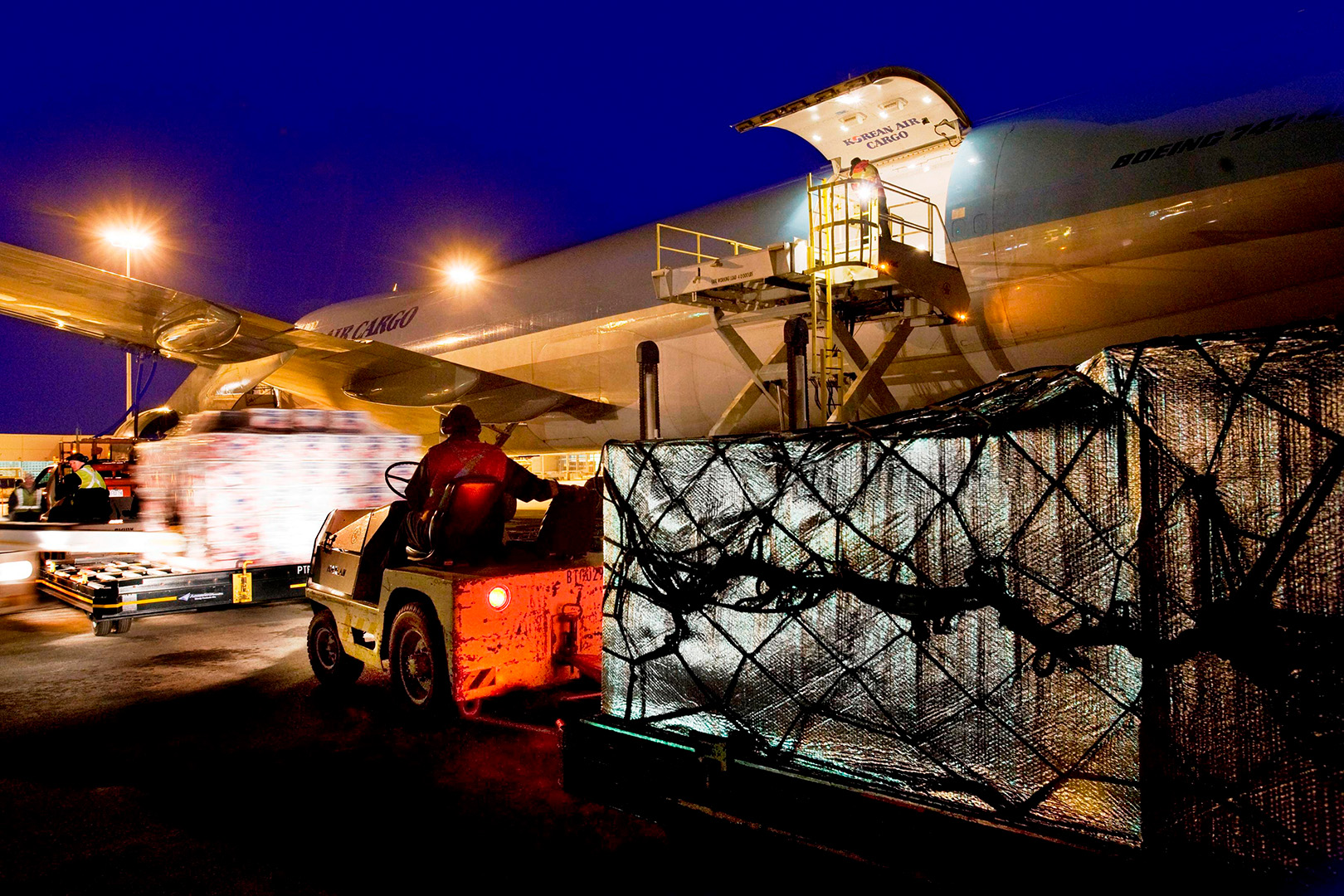
The same flight carrying a business traveller to Asia is also carrying fresh seafood, pharmaceuticals, advanced manufacturing and urgent shipments in the hold beneath them.
Atlantic lobster and British Columbia cherries command the prices they do in Asia and Europe because they can be in a buyer’s hands in under 48 hours.
Canadian airports moved 1.60 million tonnes of freight in 2024, up 5.2 per cent over the year before. Between 2016 and 2023, air cargo through Canadian airports grew by more than 44 per cent — far more than passenger traffic.
It’s a 24/7/365 network, and Canadian businesses and their global partners are built on it.
Connectivity brings tourism to Canada
Tourism is Canada’s premier service export, with a feature unlike other exports: the customers come here, and spend across many sectors of the economy while visiting. A plane arrives with money and leaves with memories.
More than 11 million international visitors arrived in Canada by air in 2025. Air visitors also spend more: In one Atlantic province, the average is $1,224 a person, and non-resident tourists arriving by air generate $1.4 billion in economic output for that province alone.
Global business travel patterns are shifting too, and Canada’s international airports are working to bring more of those travellers through Canadian hubs on their way to Asia, Europe and South America — which benefits Canadian airlines, service industries and airport revenues at the same time.
Airports support many jobs and careers
Skilled trades, operations, aviation, customer service, logistics, maintenance, management, finance, emergency response, and a fast-growing digital and systems workforce. Airports support good jobs and careers built on portable skills — including many in regional centres and northern communities, where those jobs matter most.
Before the permanent jobs come the construction work. A terminal expansion or a runway rehabilitation represents months of work for engineers, project managers, construction crews and specialised tradespeople, usually alongside local contractors and suppliers.
All of that building — from the massive projects down to ongoing maintenance — puts billions of dollars a year into Canada’s construction, engineering and materials sectors, and equips new generations of skilled workers and entrepreneurs to build Canada.
Airport activity’s job impact by province/territory
Together, that activity adds close to $50 billion a year to Canada’s GDP.
Airports have been significant contributors to communities and governments
As non-share corporations that must reinvest only in their own airport, Canada’s airports have put more than $30 billion of traveller revenue back into terminals and infrastructure over the past 30 years, since taking over costly and inefficient government-run airports. In addition, airports across Canada have also contributed over $8.4 billion to the federal government in rent, plus more to local governments as “payments in lieu of taxes”. These contributions have supported public priorities outside the aviation sector for a generation, while receiving little reinvestment in infrastructure to lower costs and meet growing demand.