

See How We Do Winter
Canadian airports are built for winter.
Snow, ice, fog and deep cold arrive every year. Airports across Canada plan, staff and equip to keep people and goods moving.
Canadian winter is not a weather event but a season – it shapes how our airports run and the decisions our airline partners make. It is not something many airports around the world — and to our south — need to worry about, or manage as a routine cost.
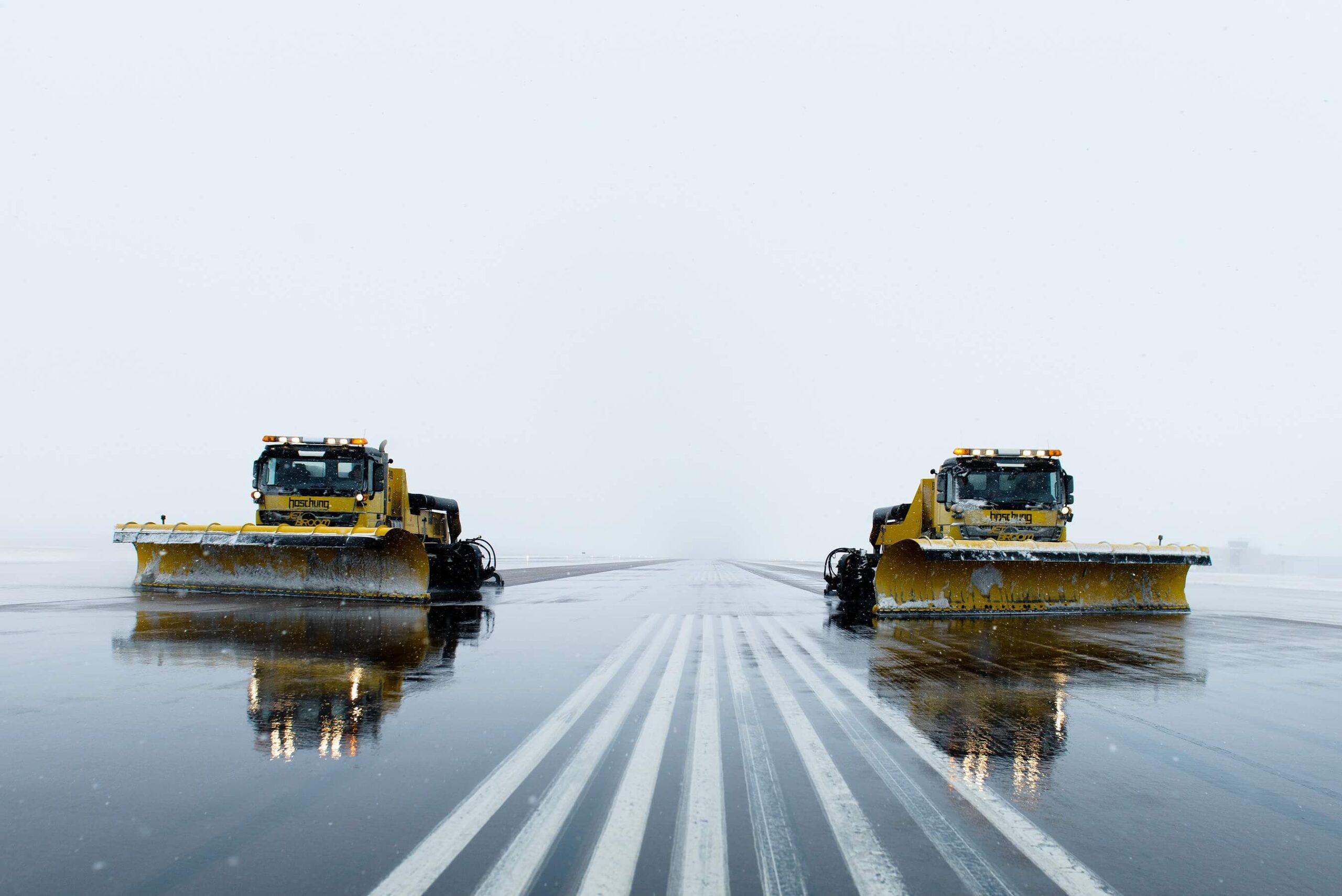
Runways and taxiways must be thoroughly cleared and kept bare. When conditions require, aircraft are de-iced shortly before they leave the ground to ensure everyone’s safety in flight. People and machines at airports prepare to handle winter conditions starting in late fall and work every time it’s needed through to early spring. These teams are local heroes, providing the best conditions possible for landings, takeoffs, operations and passenger experience – keeping us safe, keeping you on your way to your (hopefully warmer) destination.
Some days, winter wins
When a major storm hits, flights can get delayed while crews clear runways and taxiways to improve conditions. Nobody at an airport pretends otherwise. Canadians know that Mother Nature will not take a break sometimes, but we push through.
What gets an airport through these days isn’t just what our teams do right in the moment, but the work and preparation leading up to it, the proper and well maintained equipment, and the processes that keep traffic moving as smoothly and quickly as possible.

Planning begins long before winter strikes
2025 was the first full year of Edmonton’s snow desk. When heavy snow, ice or fog sets in, the desk becomes the single point of contact for airfield crews, contractors, airlines and partners to coordinate in real time, working alongside the airport’s operations centre.
Winnipeg has a central facility for de-icing aircraft. The de-icing pads are considered essential infrastructure right along with the runways, taxiways, aprons and navigational aids in every construction, maintenance and land-use plan Winnipeg writes — and its planning through 2045 includes improvements for the de-icing facility.
In Montréal, the airport’s “Flight Plan” program adds new de-icing stations on the airfield as part of its 10-year, over $10 billion renewal currently underway.
Why does my aircraft have to get de-iced?
An aircraft’s wing creates lift with the shape of the air moving over it. Frost, snow or ice sitting on that surface can disrupt the airflow and affect this lift, which is why an aircraft has to be cleaned using that bright coloured stuff before it’s ready to fly in winter conditions.
De-icing fluid strips off whatever accumulation has built up on the wing. A second fluid is then applied to keep the wing clear long enough for the aircraft to taxi and await its turn on the runway. If it can’t take off quickly enough, the aircraft has to return and de-ice again. That’s why good winter infrastructure is a game changer for airports in Canada.
For example, at Toronto Pearson’s Central De-icing Facility, the world’s largest, spent fluid is captured on the de-icing pads and recycled into products such as windshield washer fluid. And, every major Canadian airport operates under a specific Transport Canada-approved containment plan for their airport, capturing spent fluid for recycling or treatment and protections to the surrounding environment, as required under the Canad La planification commence bien avant l’arrivée de l’hiver
Airports need winter equipment
Winter equipment is specialised and expensive, and at a smaller airport, new equipment can take up much of a year’s capital budget. They need to be ready to go, and work every time, to keep things moving.
For example, in 2025, Prince George’s airport spent $1.6 million on a 4×4 sweeper and $700,000 on a heavy-duty plow and spreader truck, out of a total capital program for the whole airport of $4.2 million.
Newer machines are cleaner, too. To cut airfield emissions, Edmonton has brought in snow sweepers that run on not just diesel but hydrogen.

One sweeper: $1.6 million. One plow and spreader truck: $700,000. Each of those could represent a quarter of a smaller airport’s total capital budget in a year.
Up north, winter creates its own infrastructure
In Canada’s far north, cold can change what’s possible — sometimes even for the better. Transport Canada guidance cited by the government of Nunavut holds that after about two weeks below −20°C, a gravel runway gains strength similar to a paved one.
Nunavut’s communities have no road connections, and supplies by sea arrive only in summer and early fall. The territory says air is the only transportation mode that can be counted on year-round.
In the Northwest Territories, some fly-in communities connect to the highway system only for short stretches each winter, over ice roads. The rest of the year, flights – including those originating from hub airports and regional centres in southern Canada — are the only reliable way in and out.
Winnipeg’s year-round cargo service helps keep northern communities supplied, and through a subsidiary, its airport has helped smaller airports carry out safety audits, including 14 airports in 2025, such as Resolute Bay, Grise Fiord and Arctic Bay.
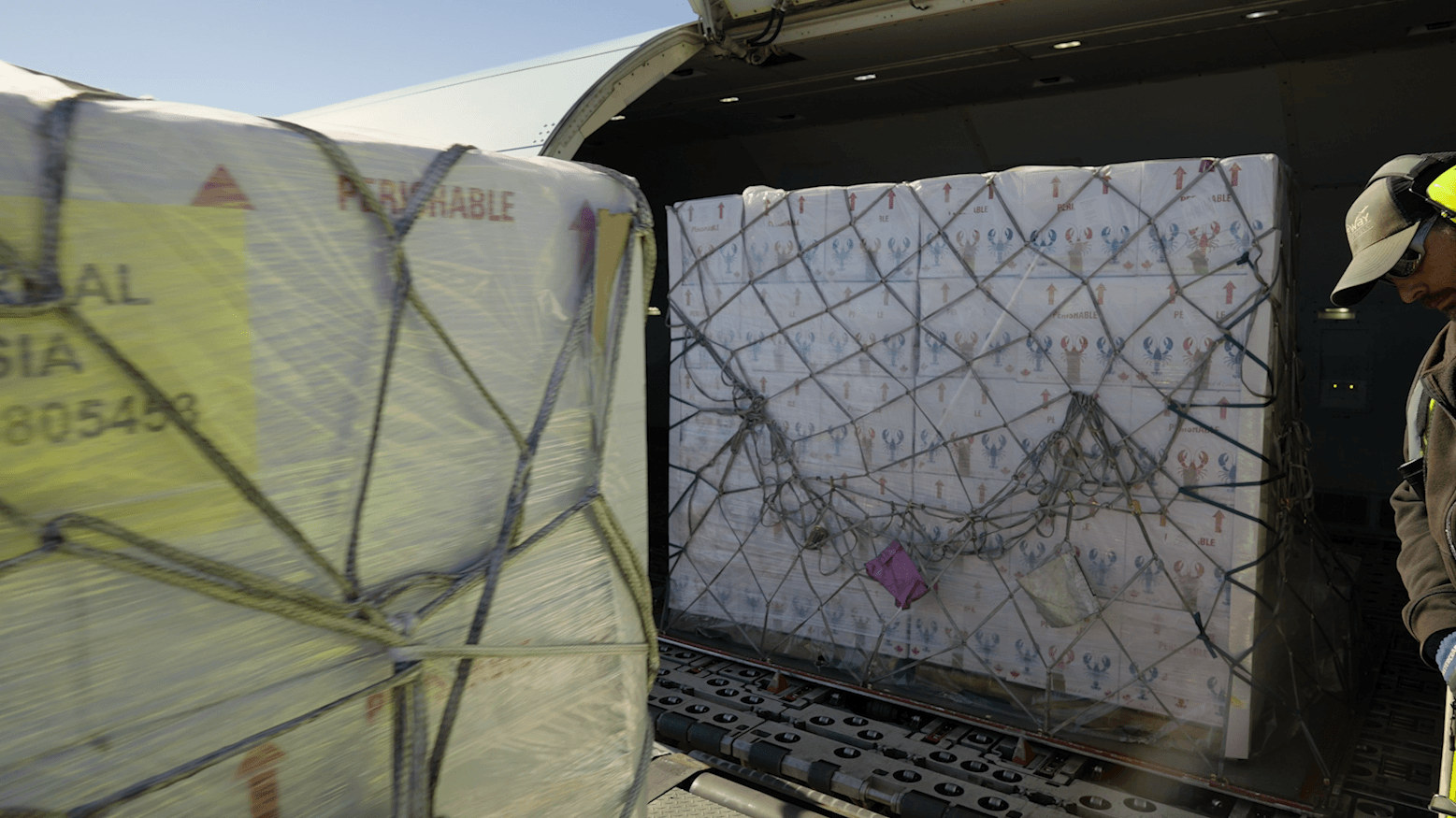

In Iqaluit, boats can reach the city only a few months a year. Nearly every flight carries cargo — food, medicine, clothing, and the occasional snowmobile.
For some airports, winter is the busy season
December 2025 was the busiest month in the history of Kelowna’s airport: 220,578 passengers, surpassing the record 216,480 it set just that August. This includes successful marketing of Canada’s leading ski resorts in key Pacific tourist markets like Australia – bringing foreign spending in to our local communities and key employers throughout the region.
Cold-weather know-how is worth something
Iqaluit airport in Nunavut has a long history as a testbed for arctic conditions on new aircraft and aviation systems. Now, the government of the Northwest Territories says Yellowknife has both the climate and the facilities to support even more cold-weather aircraft and systems testing.
When an aerospace manufacturer tested a helicopter there between December 2021 and February 2022, the visit contributed more than $2 million into the local economy through hotel stays, car rentals, office rentals and other business activity.
Canada is a winter country
Plenty of major airports around the world – from Australia to Dubai to Singapore – never clear snow from a runway, de-ice an aircraft or plan for weeks of deep cold. They also don’t carry those operational costs.
Canadian airports do it all, every year, and they are very good at it — it’s what it takes to keep travellers and goods moving.